


Pants are a popular garment worn worldwide, ranging from elegant trousers through semi-casual slacks to casual jeans and sporty leggings. While they all differ in fit, style and design, the construction of pants shares common elements and terminology you will come across when drafting them.
On this page, I will describe individual parts of pants that are essential for drafting—for example, the waistband, crotch, darts, inseam, outseam shaping, etc. You will learn how these elements affect the construction of pants and their fit. Furthermore, you will also learn about the differences between various pants styles.
On this page you will find:
- Pants construction parts
- Balancing the pattern style and fit
- Men’s and women’s pants differences
- How to identify the FRONT and BACK if it is not labeled?
- How to take body measurements
- Types of pants, their style and use
- Conclusion
Pants construction parts
The image below describes the individual parts of the basic pants pattern, which are: the waist, centre FRONT, centre BACK, FRONT darts, BACK darts, crotch line, crotch curve, crotch extension, crotch depth, inseams, outseams, and the hem.

Waist – the waist of the pants sits on the waist of the person.
Dart -helps to overcome the volume difference between the waist and the hips.
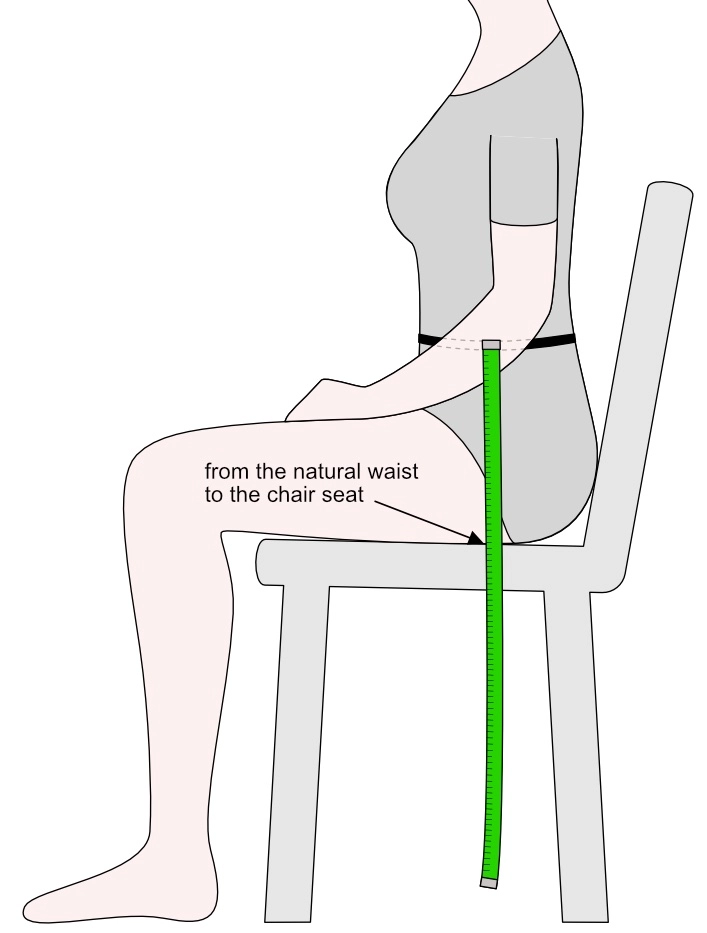
Crotch depth – the distance between the waist and the crotch. This measurement is usually taken in a sitting position: from the side waist to the point where the thighs and crotch meet the chair.
Crotch point – where all four pattern pieces meet and form a cross (FRONT right, FRONT left, BACK right, BACK left).
Crotch extension – a measurement that needs to be added to the pattern pieces to cover the inner thigh. The larger the crotch extension, the more the pants stand away from the body and fall straight (the ease at the thigh and knee should be adjusted accordingly).
Crotch curve – the lines at the centre FRONT and BACK of the pants pattern that follow the natural shape of the body at the crotch. Their shape and length are influenced by the crotch extension, which determines how the pants fit around the lower torso.
Crotch ease – the amount of extra room added vertically to the crotch depth. It provides comfort and ease of movement in the crotch area.
Inseam – the inner seam of the pants, running between the legs. The inseam controls how the pants fit around the inner thigh. A pronounced inward curve brings the inseam closer to the inner thigh. On the other hand, a shallow curve or straight line allows the inseam to stand away from the inner thigh.
Outseam – the outer seam of the pants visible from the side.
Thigh ease – the amount of extra room added around the thighs to ensure comfort and ease of movement.
The crotch extension, crotch depth, ease at hips and shape of the inseam have the most effect on the pant pattern, and these define the fitted or loose style of pants.
Balancing the pattern style and fit
It’s essential to balance crotch extension, hip ease, thigh ease, and inseam shaping for a well-proportioned fit. Generally, it’s not a good idea to combine too much crotch ease and/or crotch extension that creates excessive room in the crotch area with too little thigh ease and an inward inseam curve. This combination leads to an unbalanced fit. The pants may feel overly loose at the crotch while uncomfortably tight around the thighs, disrupting the natural flow and fit of the garment. Achieving balance between these elements is important for a well-proportioned construction of pants and their design.
Men’s and women’s pants differences – construction details
When drafting pants, you must consider the anatomical differences between men and women, especially in the crotch area. Men’s pants generally have more ease at the crotch depth (rise) to accommodate the male anatomy, resulting in a more prominent front crotch curve.
The standard ease added to the rise is 3 cm (1 1/8” ) for men and 2 cm (3/4”) for women. These amounts are suitable for trousers and semi-fitted slacks.
For fitted pants that are designed to follow the body’s curves (like jeans), you will use less or no ease. You may need to adjust this ease in the following cases:
- Fit preference: Adjustments might be needed based on the desired fit (e.g., more relaxed or tailored).
- Body shape: Individual body shapes might require slight modifications to these standard ease amounts.
- Fabric type: The type of fabric can also affect how much ease is needed. Stretch fabrics may require less ease, while non-stretch fabrics might need more.
How to identify the FRONT and BACK if it is not labeled?
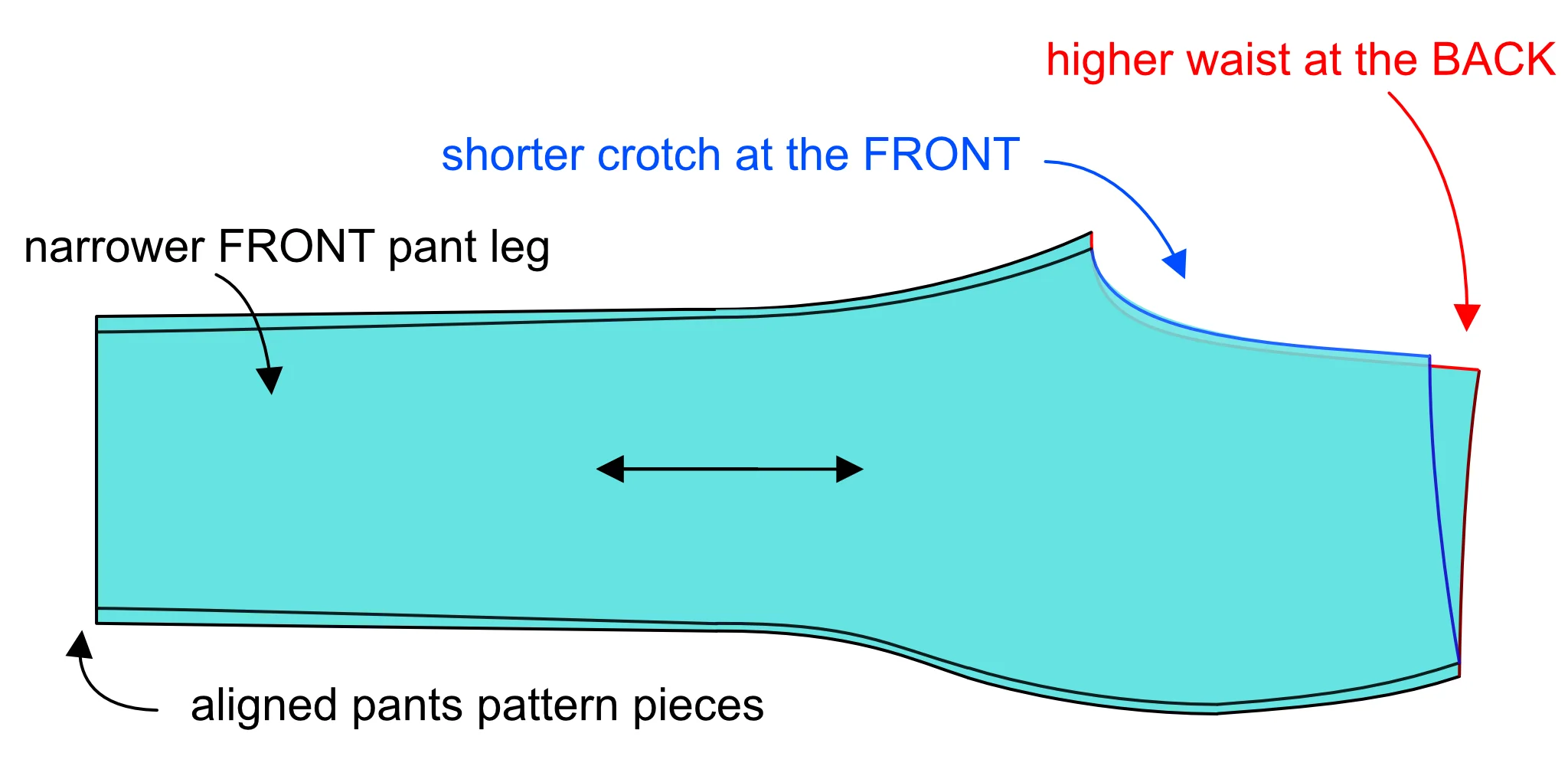
Align the FRONT and BACK pattern pieces along the grainline, and compare the waist and the crotch (see the image below).
If the grainline is not indicated and the hem of the pants is straight, use the hem to align the pattern pieces. In men’s pants patterns, the front and BACK crotches may not differ significantly, but the waist on the BACK pattern piece is still typically higher. Also, the BACK pant leg is usually wider than the FRONT leg.
How to take body measurements
- Use a flexible tape measure: Ensure it is not stretched out and is flexible enough to contour to the body’s curves.
- Wear fitted clothing: When taking measurements, wear fitted clothes or underwear to get accurate results.
- Stand naturally: Maintain a natural posture without sucking in or pushing out any body parts.
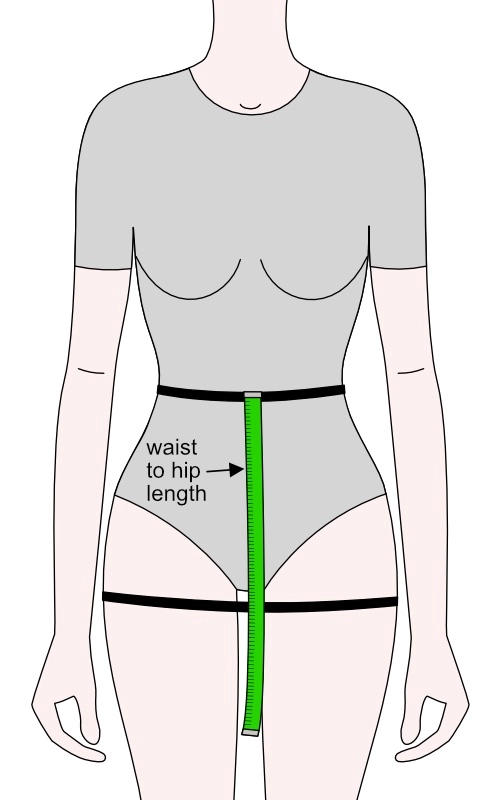
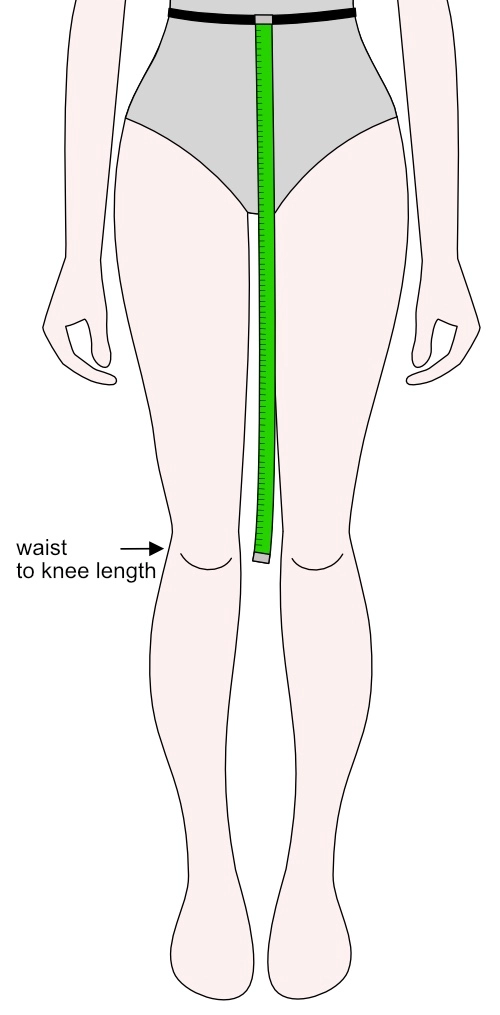
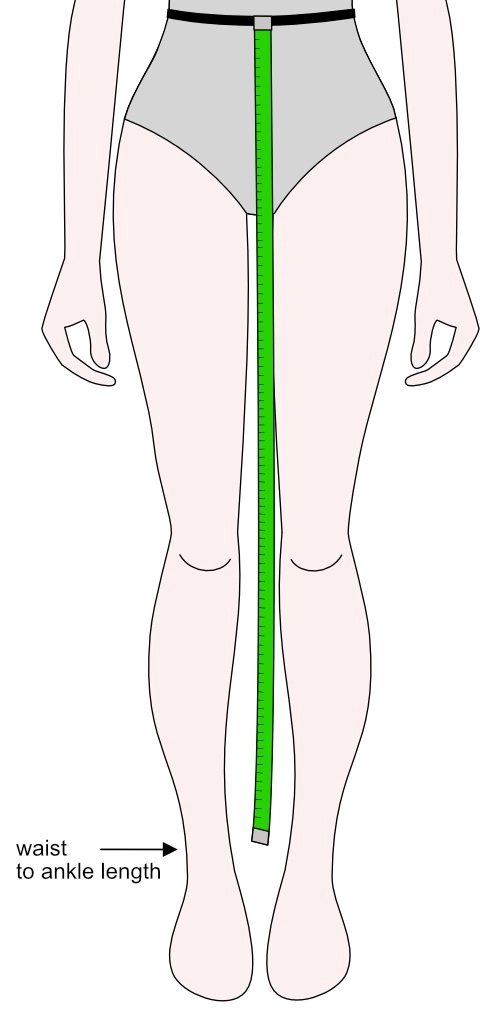
- Get help if needed: Some measurements, such as waist-to-knee, waist-to-ankle, or crotch depth, might be easier to take with assistance.
- Double-check: Measure twice to ensure accuracy.
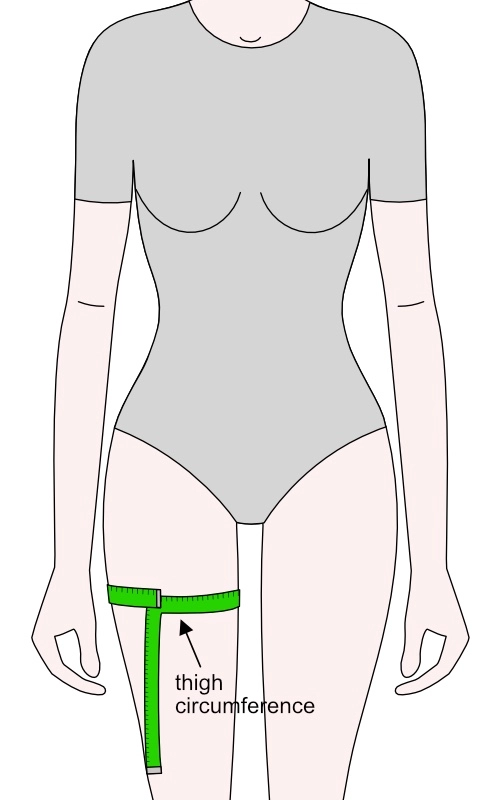
You will take the following measurements for drafting a pants pattern:
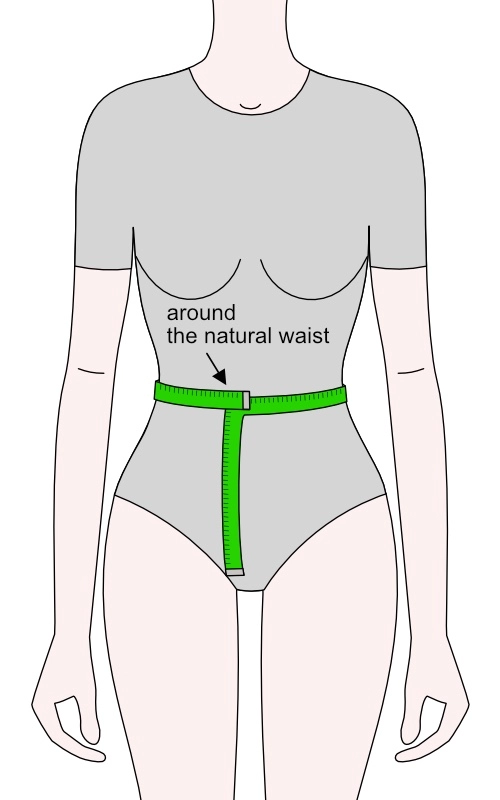
Waist circumference
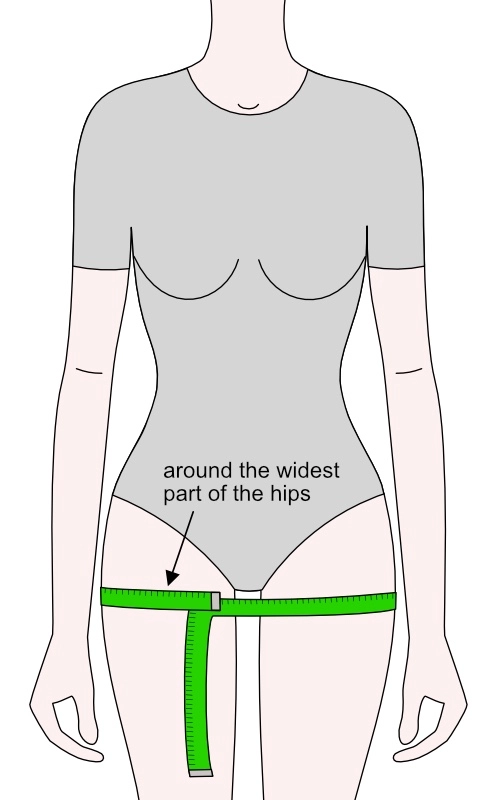
Hip circumference
Wist to hip length
Thigh circumference
Waist to knee length
Waist to ankle length
Crotch depth
Types of pants, their style and use
As I have already mentioned in the inroduction, pants come in different styles and offer varying levels of comfort. In the overview below, you can learn more about the different types of pants and their characteristics. You will see that the construction of pants varies mainly in added ease at various parts of the pattern.
Trousers (formal garment)
- typically they hang straight from the lower torso or may be slightly tapered towards the ankle
- have darts for shaping, especially at the back that add to the polished look
- may include a pleat at the front and back
- include belt loops for a waistband, fly front zipper, slanted pockets
- at first sight: lot of vertical lines running along the pants
Occasion: business meetings, formal occasions, professional settings, can be part of a suit.
Fabric: gabardine, wool blends (wool-polyester, wool-rayon, wool-silk, etc.), twill (wool or wool blend), silk-wool blend.
Ease at waist: about 1” (2,5 cm)
Ease at hips: 1 – 3” (2 – 7 cm)
Ease at crotch: about 3/4” (2 cm)
Slacks (semi-casual)
- tailored, but more fitted look in comparison with trousers
- typically do not have pleats
- have a more comfortable feel
- have a fly front zipper, usually have slanted pockets, loops for a waistband
Occasion: Smart-casual and business casual settings.
Fabric: lightweight wool, wool blends, stretch wool blends, cotton twill, cotton blends, Tencel/lyocell.
Ease at waist: about 1” (2,5 cm)
Ease at hips: 1 – 3” (2 – 7 cm)
Ease at crotch: about 3/4” (2 cm)
Jeans (casual)
- Various styles and fits: skinny, slim, straight, bootcut, flare, and relaxed
- typically have a yoke at the back
- Usually 5 pockets: 2 front, 2 back and one small coin pocket at the front
- strong, durable seams, typical overstitches
- made of denim with different finishes (no finish, or worn knees, thighs, ripped fabric, etc.)
Occasion: depending on the chosen style very casual or semi-casual. As you can see there is a big, variety of ease for jeans as there is a big scale of styles for these type of pants.
Fabric: pick from a wide variety of denims. This depends on the style and fit of the pants. Choose from denim (100 % cotton), cotton-elastane/spandex blend (for more close fitting jeans), lightweight denim, coloured denim.
Ease at waist: about 0 – 2” (0 – 5 cm)
Ease at hips: 0 – 6” (0 – 15 cm)
Ease at crotch: about 0” (0 cm)
Plain fitted pants
- very basic pants with minimal bulk at the waist
- use with tops and sweaters that are not tucked in
Occasion: casual, everyday, or semi-formal if properly styled.
Fabric: cotton twill, cotton sateen, linen blends, wool blends, stretch cotton (small amount of elastic fibres), corduroy.
Ease at waist: about 1” (2,5 cm)
Ease at hips: 2- 3” (5 – 7 cm)
Ease at crotch: about 3/4” (2 cm)
Leggings
- fitted closely to the body
- made of knit fabric for necessary stretch
- flatlock seams for maximal comfort
Occasion: sportswear, activewear, casual styling with a tunic.
Fabric: go for stretchy, form-fitting, knits made of spandex/lycra, cotton-spandex blend.
Ease at waist: 0” (0 cm) or negative
Ease at hips: 0” (0 cm) or negative
Ease at crotch: about 0” (0 cm)
Sweatpants
- loose or tapered fit with cuffs at the ankles
- elastic or drawstring (or both) waistband for comfort
- often have pockets for functionality
- can be made from lightweight or thick, warm and cosy fabrics
Occasion: Loungewear, casual wear, sportswear.
Fabric: soft, stretchy, comfortable (warm if preferred) fabrics like jersey, french terry, velour.
Ease at crotch: 1 – 2″ (2 – 5 cm)
Ease at hips: 2 – 5″ (6 – 12 cm), depending on fit style
Ease at waist: 0 – 2″ (0 – 5 cm)
Culottes
- resemble the look of a skirt but have leg openings like pants
- the pattern can be derived from a basic skirt or basic pants block
- have a longer crotch for comfort
Occasion: practical alternative to skirts, suitable for everyday wear, office outfits, and stylish casual looks.
Fabric: pick fabric that is lightweight, flowy, comfortable, and has a nice drape. Lightweight plain-weave fabrics (e.g., cotton, linen, wool, and blends), linen, Lyocell-linen blend, silk, silk-blends, crepe.
Ease at crotch: 1 – 2″ (2 – 5 cm)
Ease at waist: about 1” (2,5 cm)
Ease at hips: 3 – 8” (7 – 20 cm)
Palazzo pants
- extremely wide-leg pants that flow from the waist down
- the base for the pattern is a half-circle skirt
- usually full-length and made from lightweight, fluid fabrics
- elastic or fitted waistband
Occasion: elegant wear, great for summer, stylish evening outfits.
Fabric: choose fabrics that provide comfort, breathability, and a nice drape – similarly to the culotte. Linen, lyocell-linen, silk, silk blends, lightweight cotton, cotton voile, cotton-silk blend, viscose, rayon.
Ease at waist: 0 – 2″ (0 – 5 cm)
Ease at crotch: 1 – 2″ (2 – 5 cm)
Fitting pants
Pants are quite complicated to fit as there are multiple parts of the body that meet together. Like the lower torso and thighs. You have to properly fit both the FRONT and BACK crotch curves. Also, get the inseam of the pants legs correctly. One of my favourite books on fitting pants is Pants for Real People by Paty Palmer & Maria Alto as it is completely dedicated to pants. You could also find The Complete Photo Guide to PERFECT FITTING quite useful. It is mostly dedicated to bodices and skirt, but has nice photos of fitting pants.
Conclusion: Pants construction parts
A good pants pattern starts with understanding the basic terms and their relationships—how they work together to affect fit, shaping, and balance. Whether you’re drafting from scratch or tweaking an existing pattern, these principles help you achieve the right shape and style.